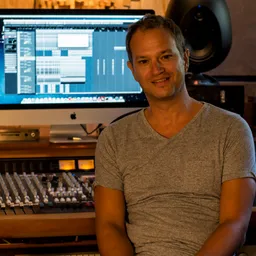
Setting Up Your Own Studio-Equipment
For anybody setting up their own home studio for the first time, it can be quite a daunting task to plan what exactly you need to achieve the results you want.
Companies and retailers are always keen to try and sell you their latest products. Magazines also do this as they exist to serve the industry through advertising revenue. This means that its always worth pausing for a second to consider this especially when it comes to ‘upgrading’ your current equipment.
Most people when starting out have never used a Neve 1073 or a Neumann u87 and have no idea why they cost so much. A lot of it is to do with the manufacturing costs and of course quality of components but I would say 99.9 percent of beginners do not need anything like this and could get the results they need for around $300. For reference, the Neve 1073 is around $2000 and U87 the same (if you’re lucky!)
As a recording/mixing/engineer that has been through all this with over two decades of experience, I can tell you that having a basic but solid initial set up will benefit you more (and put less of a dent in your wallet) than the latest and greatest pieces of gear that get lauded on forums such as Gearslutz.
Before talking about any equipment, although it sounds like a cliché and I will say it anyway.
The most important aspect of recording and mixing and production for that matter is the material. The song, the arrangement, the performance, the environment your recording in and last but certainly not least, your objective.
What your trying to achieve sonically should never be forgotten about, are you wanting to sound like a lush expensive sounding multi million dollar production? Or were you just trying to achieve an old blues tune on a 78 record sound?
For the former you may want to reach for the best instruments/mics and environment you can to try and mimic what was used on your favourite ‘lush sounding’ record. If its the latter then why not try a something a little more modest as that what was probably used at the time. Planning your outcome from the start can save you a lot of time down the line.
A tip to take from the professionals here is that (in the big budget heyday), they would spend a week getting a drum sound right before they even recorded anything else. They were perfectly aware that they were building the foundations of the sound and to mess that up would be both costly and time consuming.
I’m not suggesting you have to do exactly the same and spend a week on your drum sound but….if you have the time then do experiment with placement of microphones and rooms to listen to what it sounds like when recorded. You may end up preferring an environment/placement that you hadn’t previously considered. Happy accidents are all over great recordings so don’t feel that because you didn’t plan it then it shouldn’t work as it isn’t always the case.
Leave Setting Up Your Own Studio-Equipment to:

Best Posts From Nick Dawes
We have not curated any of nickdawes's posts yet. But you can encourage our curation team to review posts by visiting them regularly and by referring other readers. Because we give priority to frequently read content.